
Quick answer: A heterogeneous industrial environment uses multiple communication protocols – such as Modbus, DNP3, IEC 60870-5, MQTT Sparkplug, and OPC DA – across devices
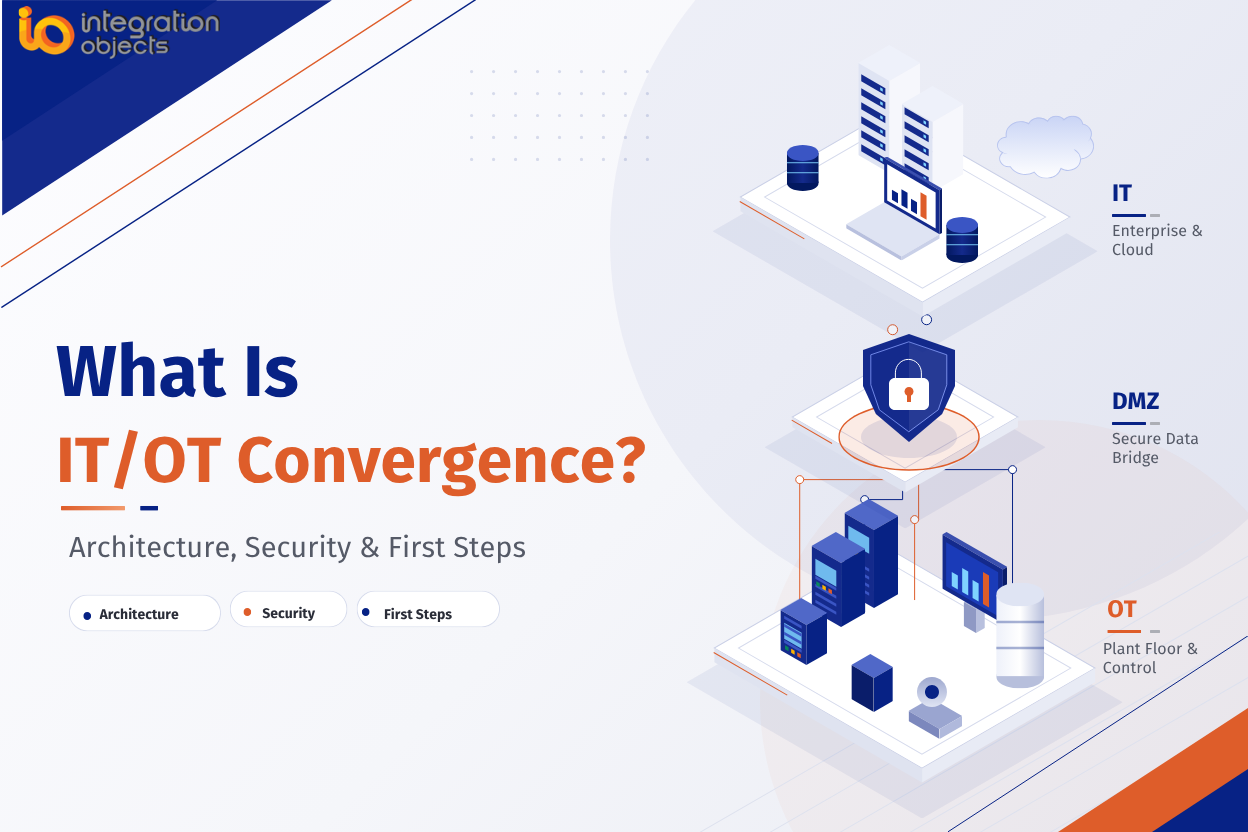
Quick answer IT/OT convergence is the coming together of operational technology (OT), the systems that run a physical process, such as programmable logic controllers (PLCs),
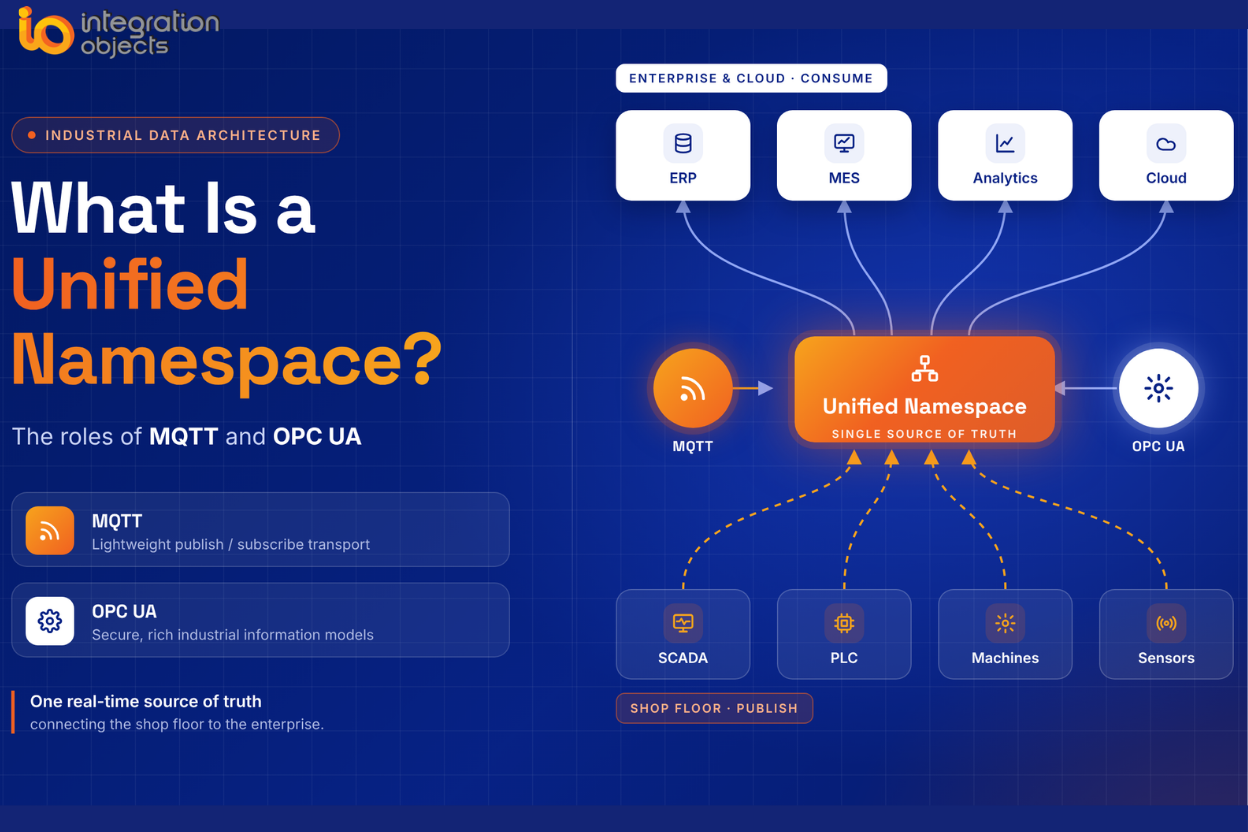
Quick answer: A Unified Namespace (UNS) is a single, event-driven data hub where every industrial and business system publishes its current state and reads everyone
OPC tunneling is a method for moving OPC Classic data (DA, HDA, and AE) across a network by replacing DCOM with a single, configurable TCP/IP
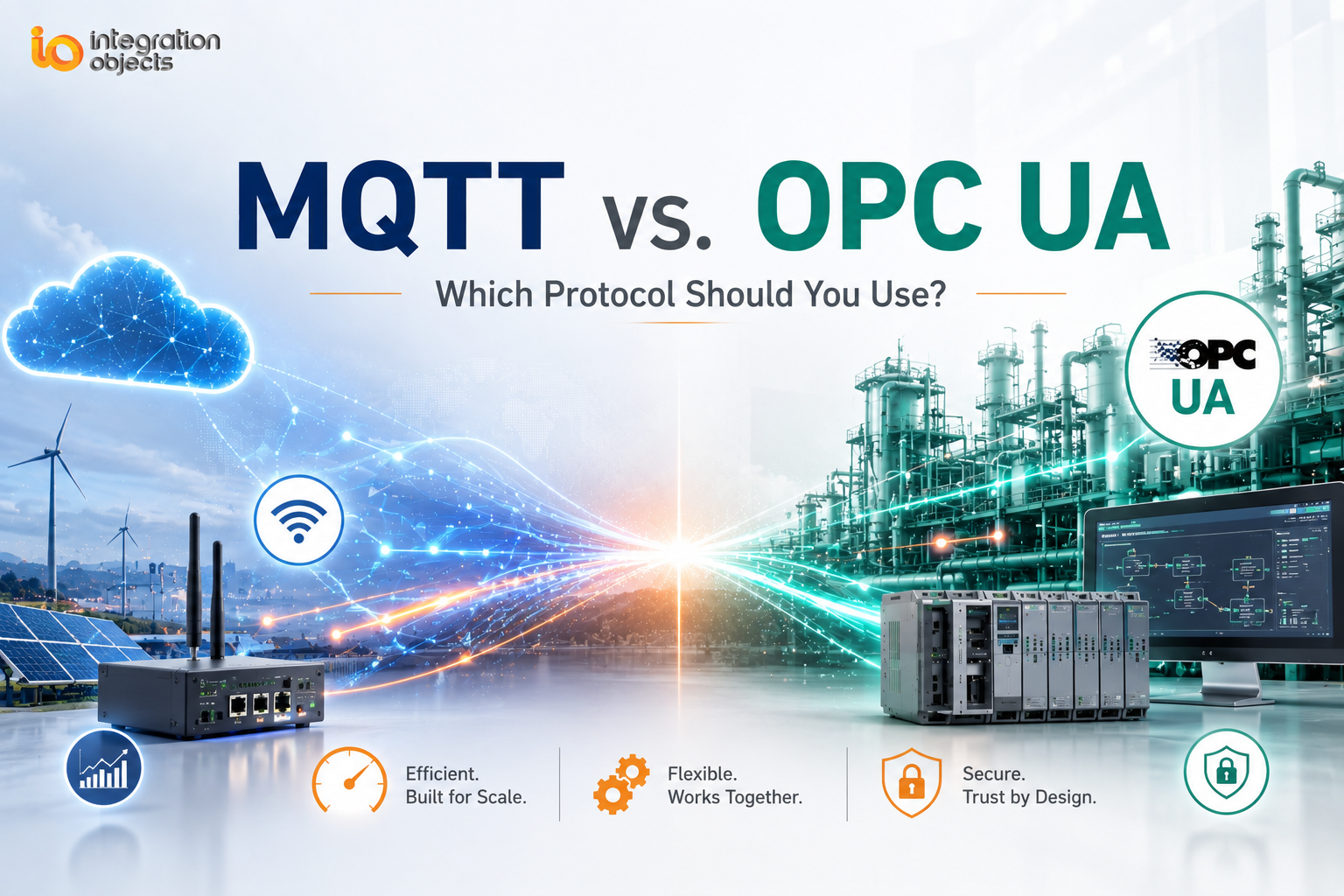
Quick answer: OPC Unified Architecture (OPC UA) and MQTT (originally Message Queuing Telemetry Transport) do different jobs. OPC UA gives industrial data structure and meaning,
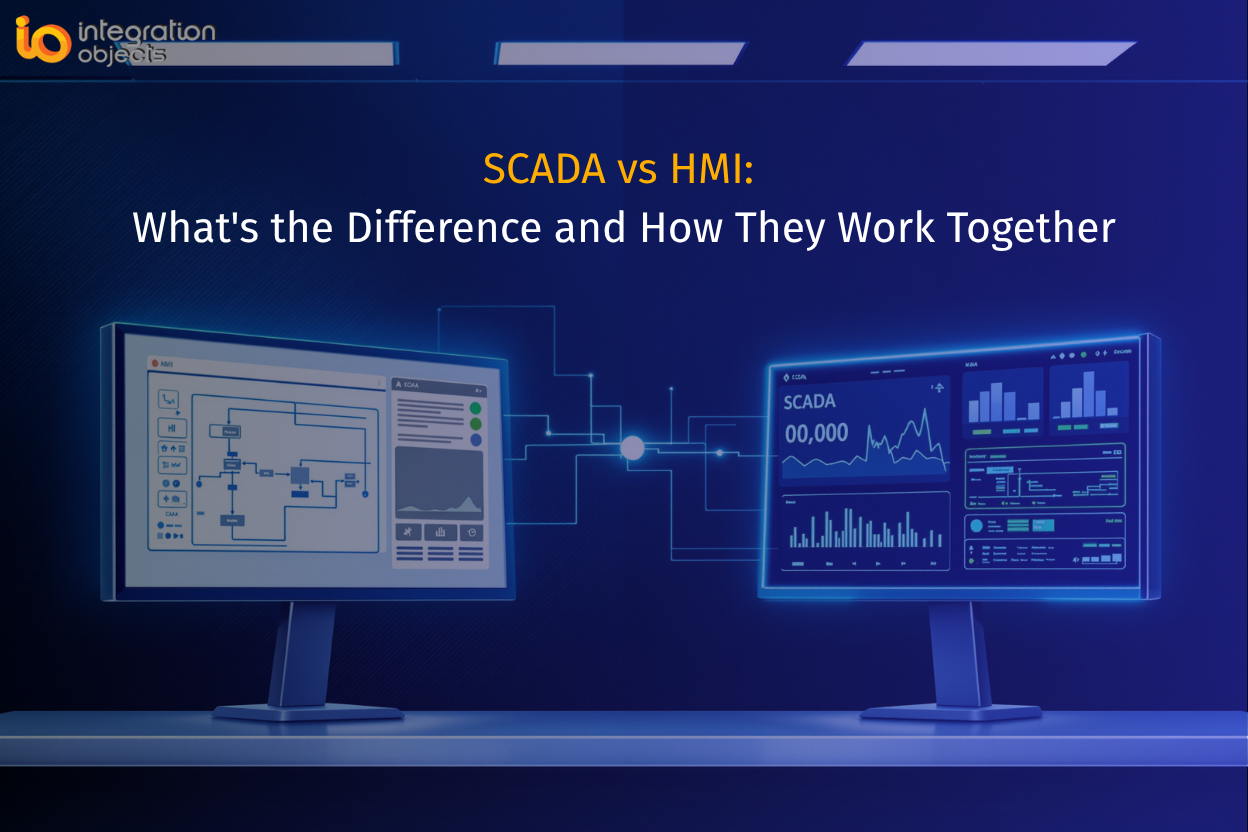
Supervisory Control and Data Acquisition (SCADA) and Human Machine Interface (HMI) show up in the same sentence so often that many users use the terms
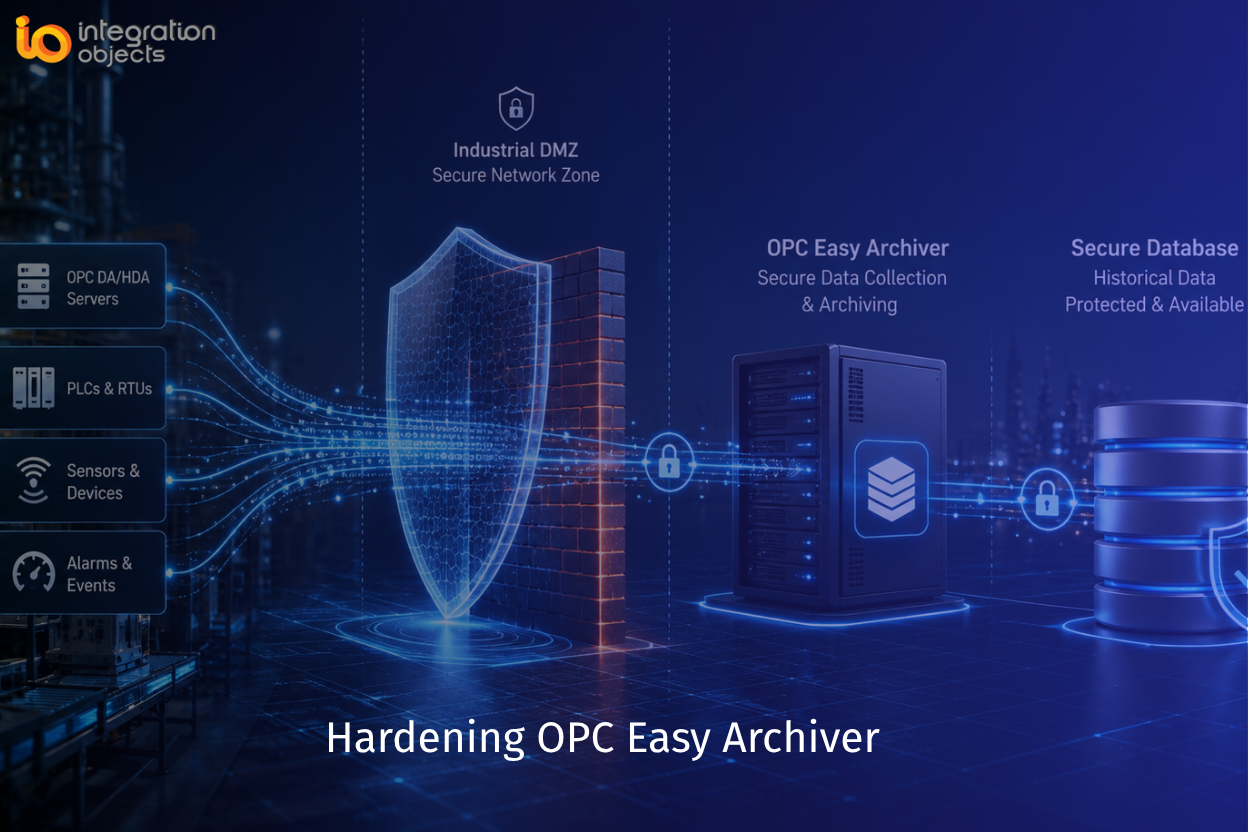
Hardening OPC Easy Archiver means reducing its attack surface across five layers: the Windows host it runs on, the Windows service and database accounts it

SCADA (Supervisory Control and Data Acquisition) is a category of industrial control system software and hardware that lets operators monitor and control equipment and processes

In the previous article, “OPC UA Discovery Explained: Understanding LDS and GDS,” we introduced the role of discovery services in OPC UA and compared the

Historical data is the record that proves a process behaved as required, over time, and after the fact. Regulators, auditors, and customers rarely ask what

Operational Technology (OT) environments are the backbone of critical industries such as manufacturing, energy, utilities, transportation, pharmaceuticals, and water treatment. Many of these environments rely