OPC tunneling is a method for moving OPC Classic data (DA, HDA, and AE) across a network by replacing DCOM with a single, configurable TCP/IP

Operational Technology (OT) environments are the backbone of critical industries such as manufacturing, energy, utilities, transportation, pharmaceuticals, and water treatment. Many of these environments rely

Distributed Component Object Model (DCOM) is a proprietary Microsoft Windows technology. It enables software components to communicate directly over a network. Components on a server

If you’ve ever struggled with DCOM OPC errors, firewall configurations, or complex OPC connectivity setups, you’re not alone. OPC communications, especially over a distributed architecture,
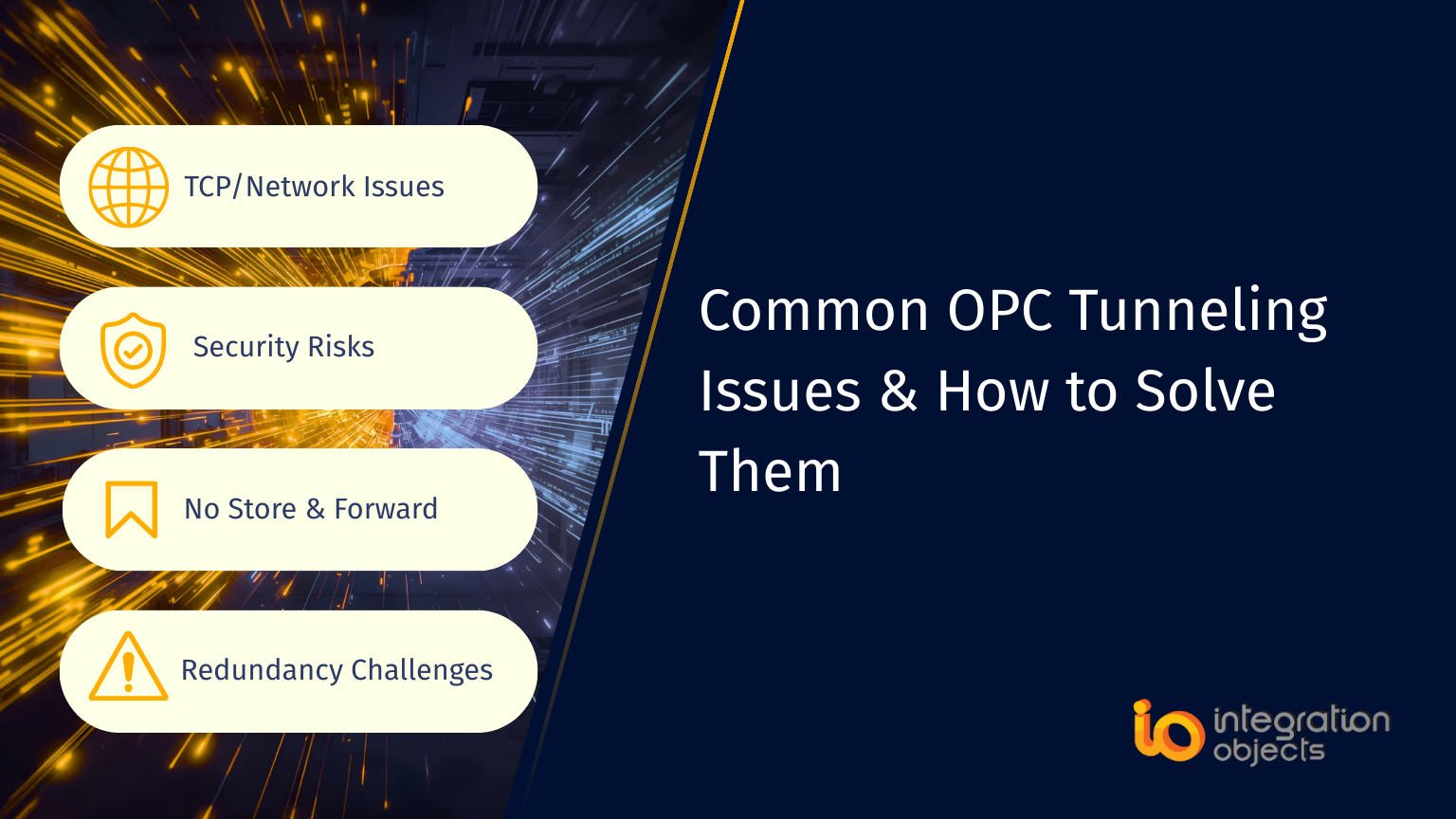
OPC tunneling was designed to free industrial automation teams from the pain of DCOM – but it doesn’t mean connectivity problems disappear entirely. Engineers deploying

Setting up a secure OPC tunnel between an OPC client and OPC server is essential for reliable, firewall-friendly, and secure industrial communication. Traditional OPC Classic
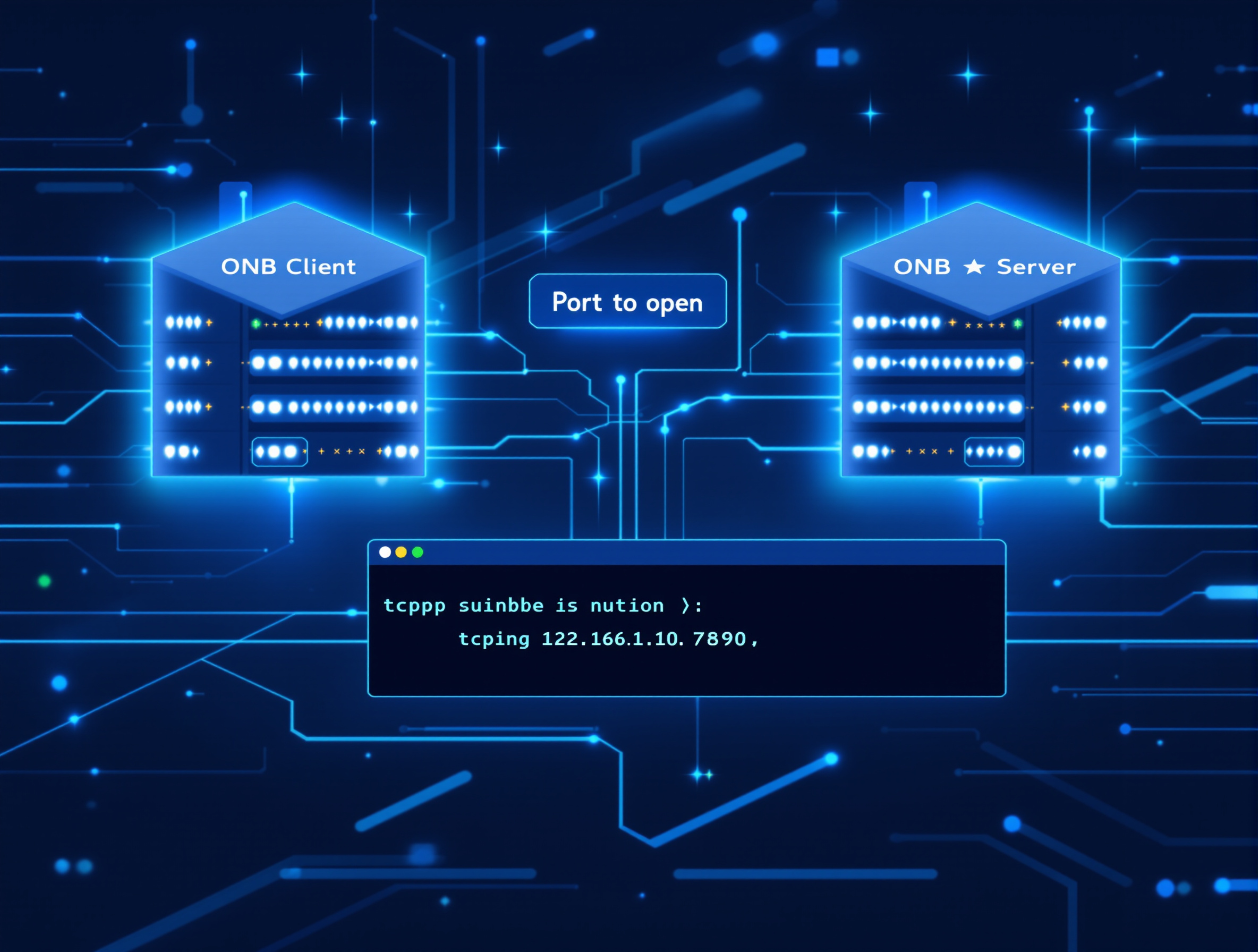
If the OPCNet Broker (ONB) Server service is running and you are not able to establish the TCP communication, we recommend you to use the tcping command
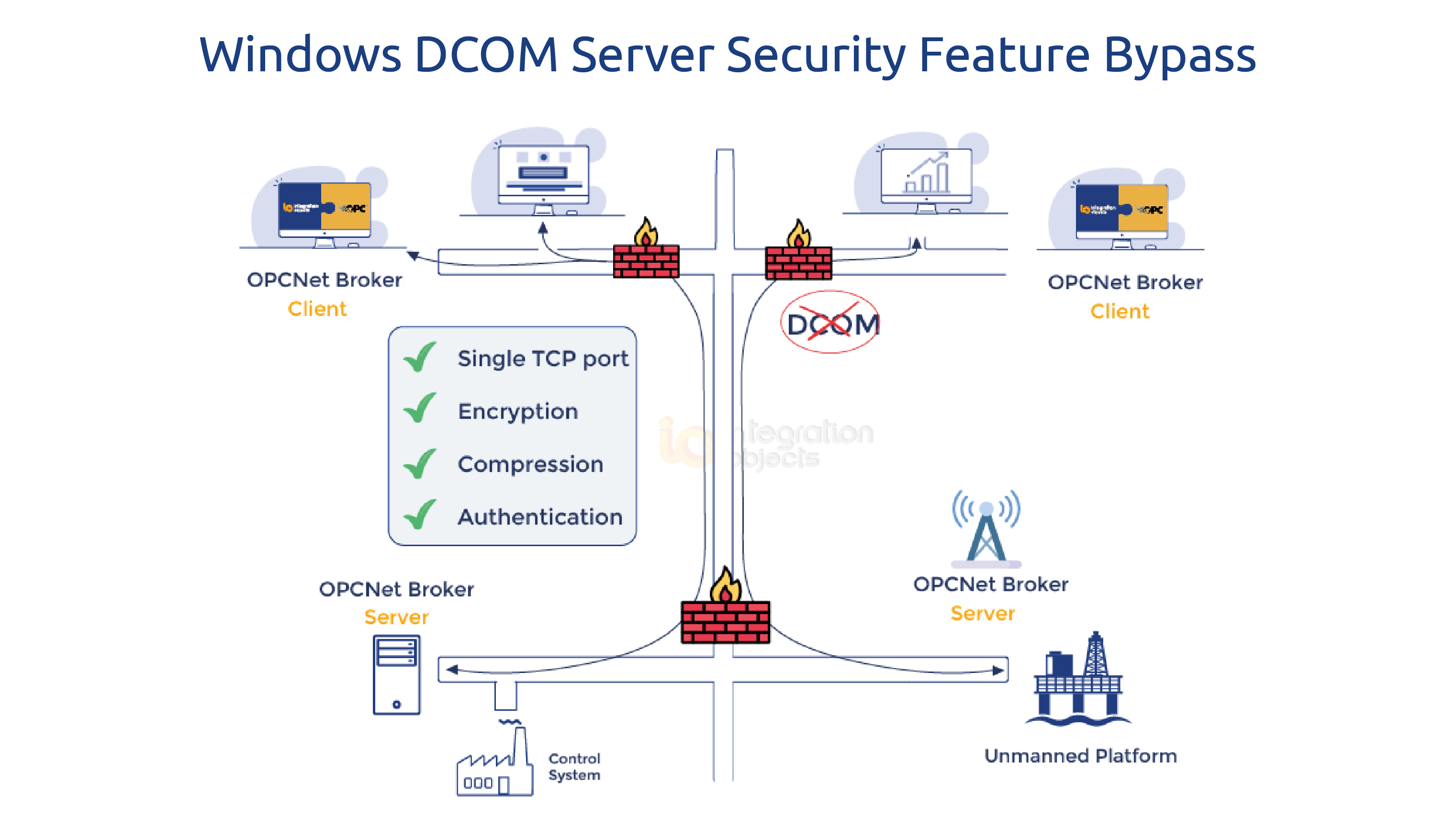
If you run OPC Classic applications in your industrial environment, Microsoft’s DCOM server security hardening update is one of the most operationally significant Windows changes
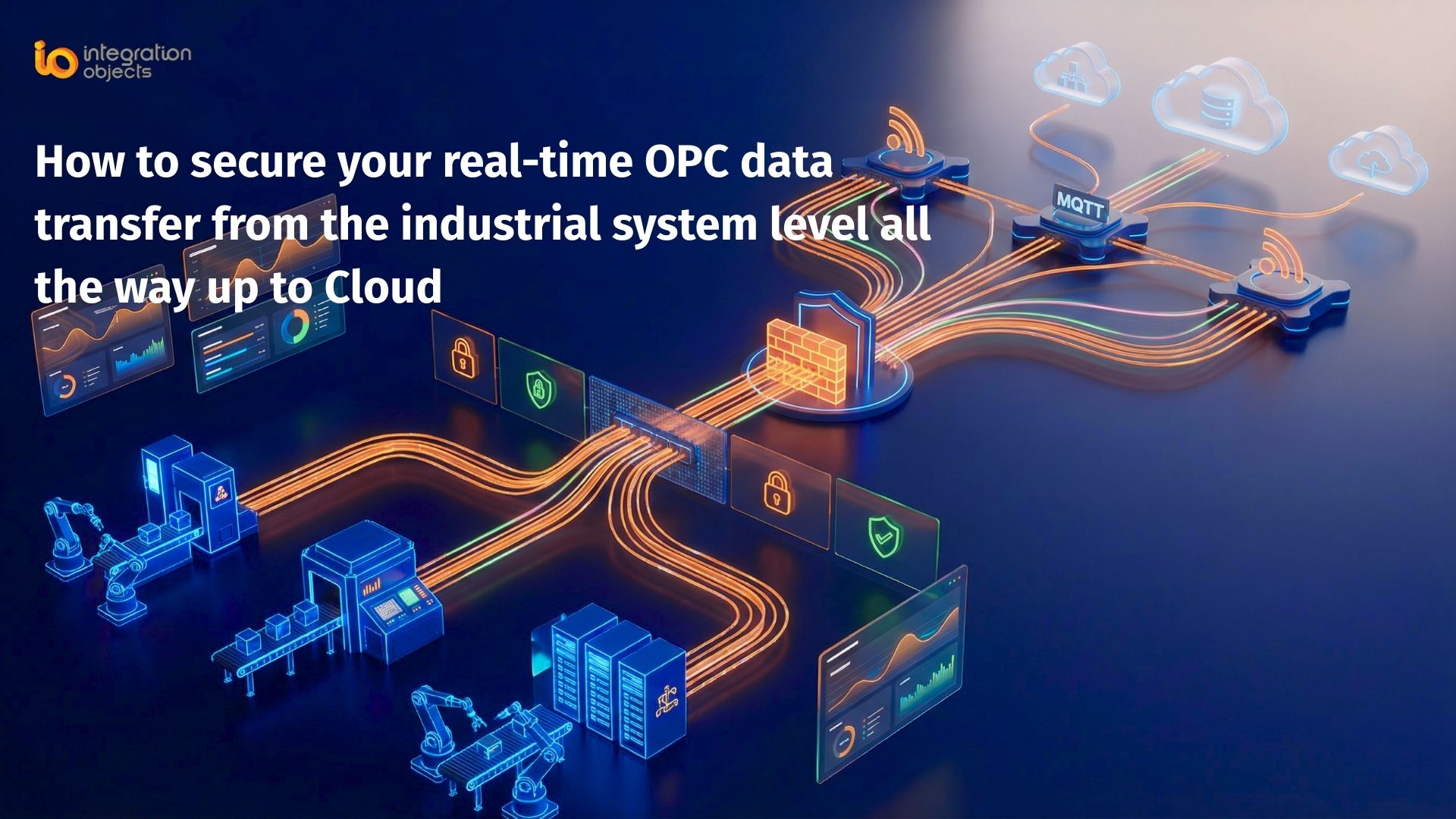
Are you looking for ways to securely stream your real-time OPC data to the Cloud? Are you still using OPC Classic and struggling with DCOM
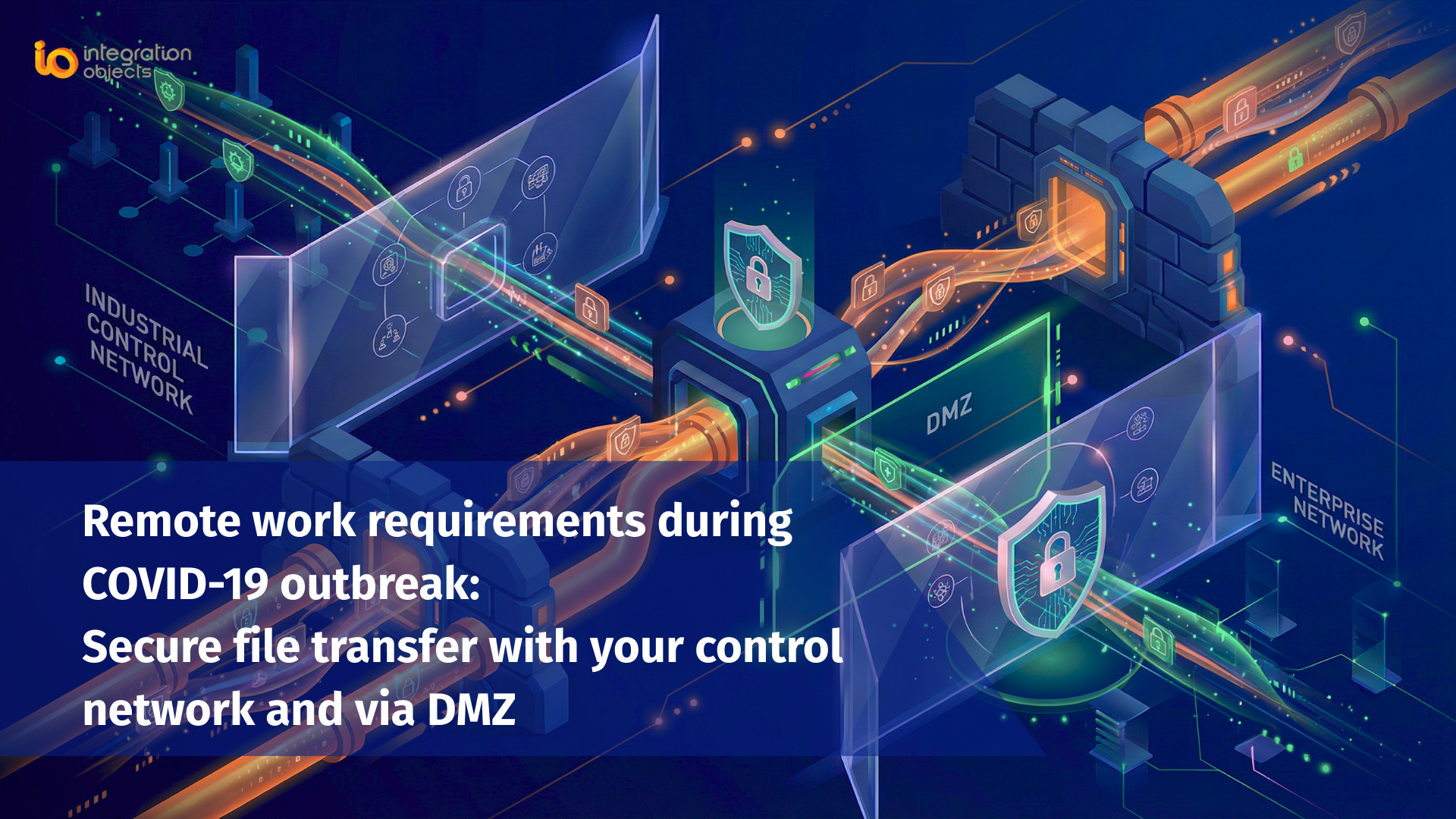
Transferring files between an industrial control network and the outside world sounds straightforward until you consider what’s at stake. Industrial networks running SCADA, DCS, or